-
Shopping cart is empty
-
x



-
Shopping cart is empty
-
x
Oil Printing
Oil Printing – Chemicals and Materials for Oil Prints
Oil printing (oil print) is one of the historical fine-art photographic processes, particularly popular in Pictorialist photography around the turn of the 20th century. It produces distinctive, painterly prints in which the final appearance of the image depends to a large extent on the photographer’s handwork.
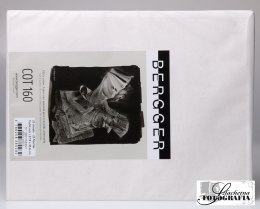
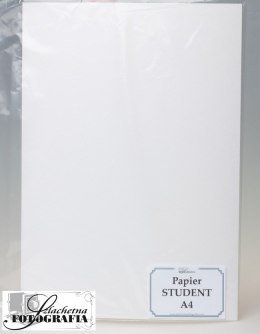
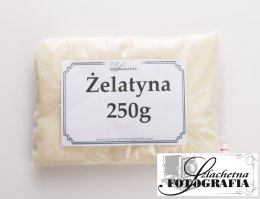
In this category, you will find chemicals and materials for making oil prints, including gelatin, inks and pigments, as well as other products used to prepare the paper and apply the image by hand.
The process uses the properties of a specially prepared and sensitised gelatin layer. After exposure under a negative and soaking in water, the gelatin absorbs different amounts of water depending on the degree of exposure. Greasy printing ink is then applied by hand to the surface of the print. The ink adheres to the areas that form the image and is repelled by areas containing more water.
One of the most important characteristics of oil printing is the ability to shape the image directly while applying the ink. The photographer can influence contrast, detail and the appearance of individual areas of the print, making each finished work unique.
Oil printing combines a photographic image with the manual creation of the final print. This freedom of interpretation made the process particularly popular among photographers associated with Pictorialism, and today it remains an interesting technique for artists working with historical and alternative photographic processes.
Oil Printing – See the Process
Discover the fascinating world of oil printing in this film by Radosław Brzozowski from the "Photography's Forgotten Ways" series. Explore this historical photographic process, which uses light-sensitive gelatin and oil-based ink to create unique prints with rich tonal variations and a distinctive painterly quality.