-
Shopping cart is empty
-
x



-
Shopping cart is empty
-
x
Gum bichromate
Gum Printing – Chemicals and Materials for the Gum Printing Process
Gum printing, also known as gum bichromate printing, is one of the most important historical and alternative photographic processes. It allows highly individual images to be created, combining photography with extensive handwork on the print. The use of different pigments and multiple layers makes it possible to produce both monochrome and multi-colour prints.
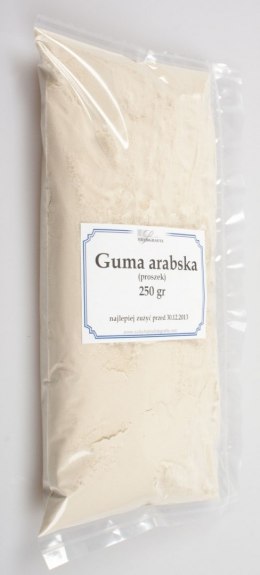
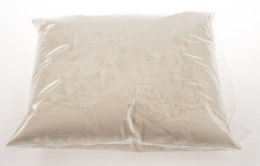
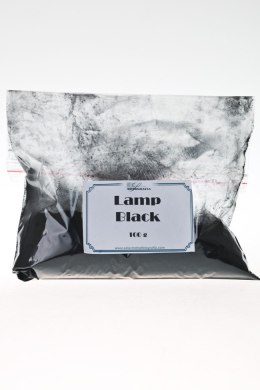
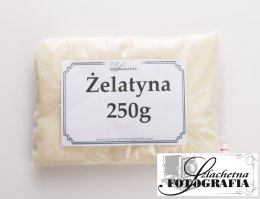
In this category, you will find chemicals and materials for gum printing, including gum arabic, pigments and paints, gelatin, and other products needed for preparing paper and making gum prints.
The process is based on the light sensitivity of a layer containing gum arabic, pigment and a chromium compound. The light-sensitive solution is applied by hand to properly prepared paper and, once dry, contact printed under a negative using UV light or sunlight. Exposure to light hardens the exposed areas of the layer. The print is then developed in water, which removes pigment from the unhardened areas.
One of the most important characteristics of gum printing is the ability to apply and expose multiple successive layers. This makes it possible to build up the tonal range of the image, modify its colours and create multi-colour prints using several colour-separated negatives.
The ability to apply the light-sensitive solution by hand, work with multiple layers and influence the final appearance of the image gives each print an individual character. Gum printing therefore remains a fascinating process both for photographers working with historical photographic techniques and for contemporary artists who use photography as a starting point for creating unique works.
Gum Bichromate Printing – See the Process
Discover the fascinating world of gum bichromate printing in this film by Radosław Brzozowski from the "Photography's Forgotten Ways" series. Explore this historical photographic process, which combines gum arabic, pigment and dichromate to create unique prints with rich tonal variations and a distinctive painterly quality.